
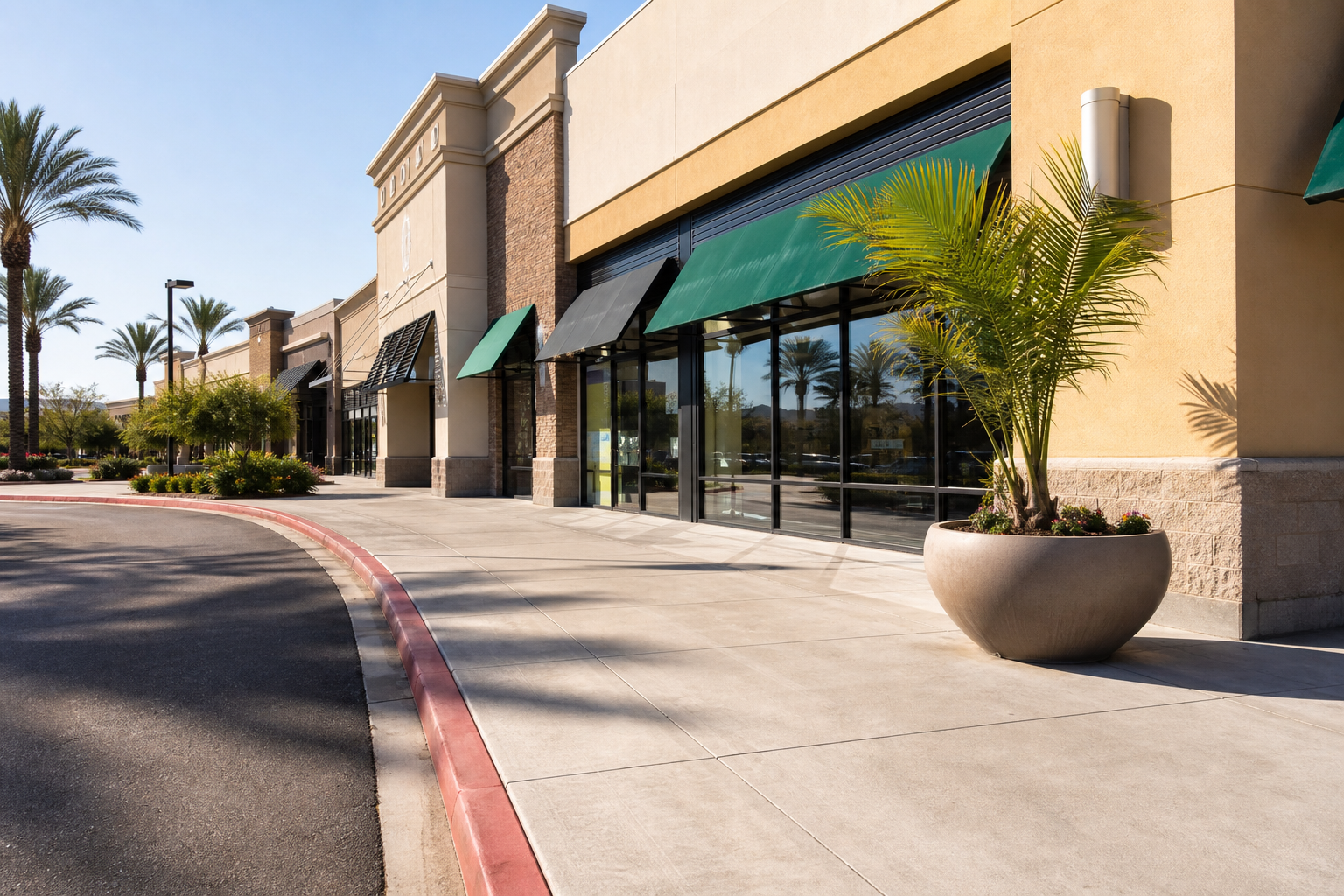
Shopping center cleaning is more than a cosmetic touch-up. For property managers, it is a practical part of retail center exterior maintenance that helps keep walkways, storefronts, and shared spaces looking open for business. At Rolling Suds of Salt Lake – Park City, we help maintain shopping centers, retail plazas, and malls with cleaning plans built around traffic, surface type, and tenant schedules.
From concrete sidewalks to customer-facing entrances, a clean exterior supports a better first impression and a safer experience for shoppers and tenants. If you manage a plaza or retail center in Salt Lake City, Park City, or nearby Utah communities, [INTERNAL_LINK] can help you build a smarter maintenance plan.
Shopping Center Cleaning for Retail Centers, Plazas, and Malls
Shopping center cleaning covers the exterior areas customers see and use every day. That usually includes walkways, curbs, entries, storefront fronts, awnings, and common areas that collect dirt and grime quickly. In busy retail environments, even a well-maintained property can start to look worn if exterior surfaces are not cleaned on a regular schedule.
Retail center exterior maintenance should be planned around foot traffic, weather, nearby landscaping, and tenant activity. A shopping plaza wash service is most effective when it is coordinated with property managers and carried out by a commercial exterior cleaning team that knows how to work around active businesses.
- Retail centers with heavy daily foot traffic
- Shopping plazas with multiple tenants and shared sidewalks
- Malls with large pedestrian corridors and entrance zones
- Mixed-use properties with customer parking and public walkways
[IMAGE]
Walkways, Entrances, Sidewalks, Curbs, and Common-Area Cleaning
Walkways and entrances are some of the most visible and heavily used parts of any retail property. Mall walkway cleaning and common area pressure washing help remove buildup from foot traffic, weather, spills, and tracked-in debris. Sidewalk cleaning is especially important around entry points where dirt tends to collect and become noticeable fast.
Entryway cleaning and high-traffic area cleaning also support day-to-day safety. Slippery residue, gum, algae, and grime can all make shared surfaces harder to maintain. When these areas are cleaned regularly, the property feels more welcoming and easier to navigate.
Tenant Frontage, Storefront, and Awning Cleaning
Tenant frontage cleaning protects the appearance of the businesses inside the center. Storefront cleaning should address glass surrounds, entry thresholds, façade sections, and customer-facing surfaces without interrupting operations. Retail storefront washing is often scheduled after hours or during low-traffic windows so tenants can keep serving customers with minimal disruption.
Awnings need a careful approach. Awning cleaning and tenant space exterior cleaning often call for soft washing or another low-pressure method, especially on delicate materials, painted finishes, or older surfaces. The goal is to clean thoroughly while avoiding damage to signage, seals, trim, or finishes.
- Coordinate access with tenants before service
- Use the right method for each surface
- Protect signs, windows, and sensitive materials
- Keep customer-facing areas ready for business
Pressure Washing vs. Soft Washing for Shopping Center Surfaces
Shopping center pressure washing and shopping center soft washing are not interchangeable. Pressure washing is best suited for durable surfaces such as concrete sidewalks, curbs, and certain hardscapes. Soft washing uses lower pressure with cleaning solutions and is a better fit for more delicate areas like awnings, painted surfaces, or some storefront materials.
Choosing the right method matters. Surface cleaning should match the substrate, the amount of buildup, and the condition of the area. A skilled commercial exterior cleaning vendor will inspect the property first and recommend the safest and most effective process instead of using one setting for everything.
Removing Grease, Dirt, Salt, Pollen, Stains, and Organic Growth
Retail properties deal with a long list of buildup problems. Grease removal may be needed near restaurants, loading zones, or dumpster areas. Dirt and grime removal is common on walkways and curbs. Salt residue removal becomes important after winter, especially in Utah climates where tracked material can leave surfaces looking dull and chalky.
Pollen removal, stain removal, and organic growth removal also play a major role in keeping shopping centers looking clean. Algae, mildew, and other organic growth can return quickly on shaded or damp surfaces, which is why targeted cleaning and recurring service are often more effective than one-time cleanup alone.
- Grease and food spills
- Salt and winter residue
- Pollen and seasonal dust
- Oil, rust, gum, and staining
- Algae, mildew, and other organic growth
Why Exterior Cleaning Matters for Curb Appeal, Safety, and Asset Value
Curb appeal maintenance is not just about looking good for photos. Commercial exterior cleaning affects how shoppers, tenants, and investors perceive the property. A clean center feels more inviting, more professional, and better managed. That can influence tenant satisfaction and the overall experience for visitors.
There is also a practical side. Clean walkways and entries can help reduce slip-and-fall risk by removing slippery buildup and visible debris. Over time, regular shopping center maintenance supports asset value by helping surfaces last longer and by reducing the appearance of neglect.
Recurring Shopping Center Maintenance Plans for Property Managers
For many property managers, one-time cleaning is not enough. A recurring cleaning schedule keeps buildup from getting ahead of the property and makes each service faster and more predictable. Facility maintenance plans can be set monthly, quarterly, seasonally, or around event calendars and peak traffic periods.
Recurring maintenance also makes documentation easier. Before-and-after documentation gives managers a clear record of completed work and helps with communication across ownership, tenants, and internal teams. For larger retail portfolios, a consistent commercial cleaning vendor can simplify scheduling and reduce surprises.
- Predictable service intervals
- Less buildup between cleanings
- Better documentation for stakeholders
- Fewer emergency cleanup needs
After-Hours Scheduling and Low-Disruption Service
Shopping center maintenance works best when it does not interfere with business. After-hours scheduling is ideal for many retail centers because it reduces conflict with shoppers, deliveries, and tenant operations. In low-traffic windows, crews can complete sidewalk cleaning, storefront washing, and common area pressure washing with less disruption.
Low-disruption service also makes it easier to coordinate safety cones, water management, and access to tenant frontages. Property managers can plan ahead, tenants stay informed, and the work gets done without creating a mess during peak hours.
FAQ: Shopping Center Cleaning Questions Property Managers Ask
Here are quick answers to common questions about shopping center cleaning, retail center exterior maintenance, and shopping plaza wash service planning.
- How often should a shopping center be cleaned? Frequency depends on traffic, climate, and soil buildup, but many retail properties benefit from monthly, quarterly, or seasonal maintenance.
- What is included in shopping center cleaning? Common scope includes walkways, entrances, sidewalks, curbs, storefronts, tenant frontage, awnings, and other customer-facing exterior areas.
- Is pressure washing safe for retail sidewalks and entrances? Yes, when the correct pressure, equipment, and surface-specific method are used for the material and condition of the area.
- How do you clean tenant frontages without damaging surfaces? Use soft washing or other low-pressure methods for delicate materials and coordinate access with tenants before service begins.
- What is the difference between pressure washing and soft washing for commercial properties? Pressure washing uses more force for durable surfaces, while soft washing uses lower pressure and cleaning solutions for more delicate materials.
- Can shopping center cleaning be scheduled after business hours? Yes, after-hours and low-disruption scheduling is ideal for busy retail centers and high-traffic properties.
- Do you offer recurring maintenance for shopping plazas and retail centers? Yes, recurring maintenance is a strong fit for properties that need consistent exterior cleanliness and documentation.
- How much does shopping center exterior cleaning cost? Cost depends on square footage, soil level, surface type, access, water source, and whether the work is scheduled after hours.
If you need a professional partner for shopping center cleaning, retail center exterior maintenance, or tenant frontage cleaning, Rolling Suds of Salt Lake – Park City is ready to help. Request a free quote and keep your property looking clean, safe, and inviting year-round. [INTERNAL_LINK]