
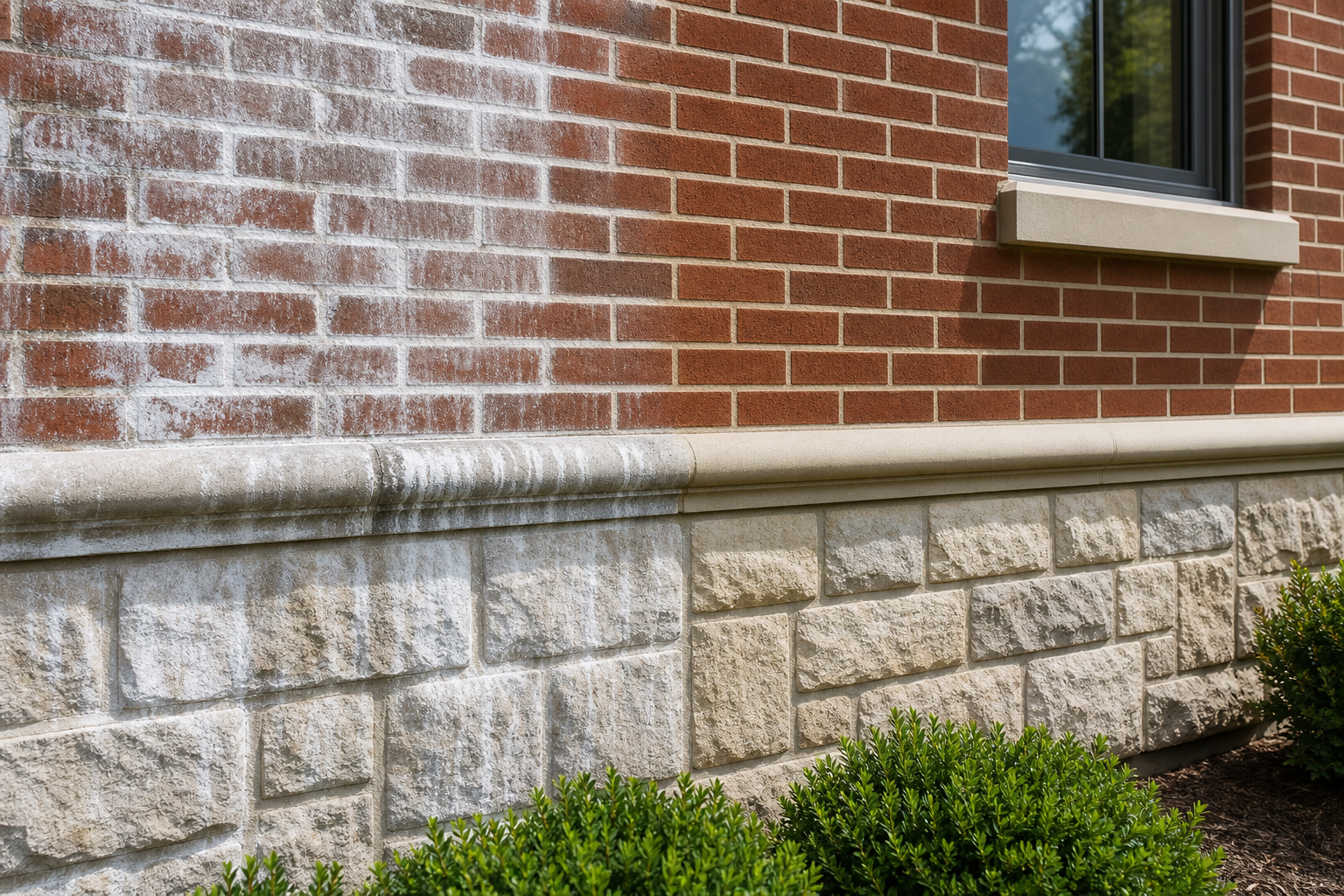
White chalky streaks on brick or stone are usually more than a cosmetic nuisance. Efflorescence is a salt deposit left behind when moisture moves through masonry and carries dissolved minerals to the surface. As the water evaporates, the salts remain as a white film or crust. For homeowners, property managers, and commercial sites in Salt Lake City and Park City, efflorescence removal is often part of keeping exteriors clean, professional, and protected from ongoing moisture issues.
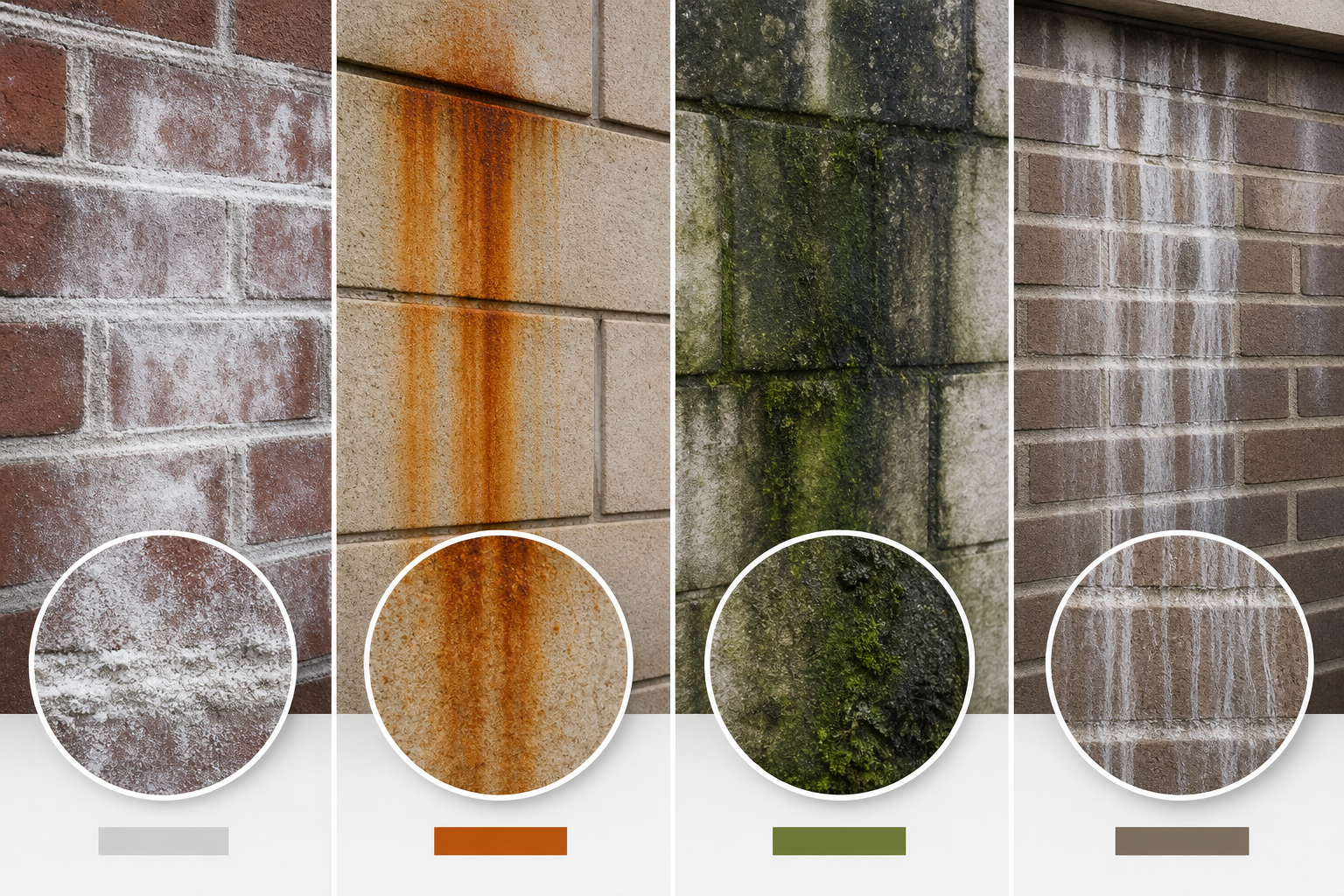
Efflorescence often shows up on brick, concrete, mortar joints, stone veneer, and retaining walls. The key is finding the moisture source, not just wiping the stain away. If the staining keeps returning, there may be drainage, flashing, grading, or waterproofing issues that need attention. A professional inspection can help determine whether you need white mineral stain removal now or a larger exterior maintenance plan later.
What efflorescence is and why it appears on masonry
Efflorescence happens when water passes through porous masonry and dissolves salts from the material or surrounding soil. When that moisture escapes, the salts crystallize on the surface and create a powdery white residue. This is common on brick, stone, concrete block, and mortar, especially after construction, heavy rain, snowmelt, or repeated irrigation exposure.
It is often a sign that moisture is traveling through the wall assembly. In some cases, the stain is light and removable. In others, the deposits are heavier and can point to repeated water intrusion. That is why efflorescence removal should start with identifying the cause before choosing a cleaning method.
How to tell efflorescence apart from rust, biological growth, or other stains
Not every white or light-colored stain is efflorescence. A quick diagnosis helps avoid using the wrong masonry stain treatment.
- Efflorescence: powdery or crusty white residue that may brush off dry.
- Rust: orange, brown, or reddish streaks near metal fasteners or irrigation sources.
- Algae or mildew: green, black, or dark staining that often feels slick or organic.
- Hard-water staining: mineral streaks from sprinklers that may be more stubborn and vertical.
- Construction dust or mortar haze: leftover residue after new masonry work.
If the stain is not clearly a salt deposit, do not guess. Brick stain removal and calcium buildup removal often require different products and dwell times depending on the surface. Testing a small area first can prevent damage and save time.
Best cleaning methods for brick, stone, and masonry surfaces
The best method depends on the material. Brick efflorescence cleaning is not the same as stone cleaning service work on limestone or sandstone, and both differ from cleaning concrete block or mortar joints. The goal is to remove mineral residue without etching, bleaching, or opening the surface further.
- Brick: use the least aggressive method that removes the salts, then rinse thoroughly.
- Limestone or sandstone: use extra caution because these softer stones can etch easily.
- Concrete block: deposits may be deeper and can require repeated controlled treatment.
- Mortar joints: avoid harsh scrubbing that can weaken the joint material.
For many properties, exterior masonry cleaning works best when a professional evaluates porosity, age, prior coatings, and nearby landscaping before starting. That is especially true for brick and stone restoration cleaning on older buildings.
Why soft washing and low-pressure methods are safer than harsh pressure washing
Efflorescence removal is not a job for aggressive blasting. High pressure can scar brick faces, erode mortar, force water deeper into the wall, and increase the chance of spalling. Soft washing for masonry uses controlled chemistry, careful rinsing, and lower pressure to clean safely.
Surface-safe pressure washing is about matching the method to the material. A trained technician may test a small area, adjust dilution, and rinse at a level that lifts deposits without damaging the masonry. For delicate surface cleaning, the right process matters more than raw force.
In short, low-pressure cleaning protects the surface while still giving the white mineral stain removal results most property owners want.
When professional masonry cleaning is needed for severe staining or sensitive surfaces
DIY cleaning can work for light deposits, but some situations call for professional masonry cleaning right away. That includes older brick, fragile stone, deep staining, surfaces with prior sealers, or walls that already show cracking or surface loss.
You should consider expert help if:
- The efflorescence keeps coming back after cleaning.
- The masonry has been painted, sealed, or previously repaired.
- The stain covers large elevations or visible storefront areas.
- The surface is soft, weathered, or historically sensitive.
- You need a consistent finish across a commercial property or HOA.
For these cases, masonry cleaning done by a professional can reduce risk and deliver a more even result.
What to expect during a professional efflorescence removal visit
A proper service visit starts with inspection. The technician looks at the stain type, material, age of the surface, drainage conditions, and any nearby sources of moisture. If needed, a small test spot is used to confirm the safest treatment.
A typical process may include:
- Assessment of the affected brick, stone, or masonry.
- Testing a cleaner or rinse method on a small area.
- Controlled treatment to loosen mineral residue.
- Low-pressure rinsing and neutralization when appropriate.
- Final review to check for remaining residue or recurring streaks.
This approach is especially helpful for commercial properties, storefronts, apartment communities, and homes where appearance matters and damage is not an option.
How to prevent efflorescence from returning
Prevent efflorescence by addressing moisture first. If water keeps moving through the wall, salt residue will likely return. Long-term masonry maintenance should focus on root causes, not just surface appearance.
- Improve drainage and grading so water moves away from the structure.
- Check flashing, joints, and caps for leaks or gaps.
- Repair damaged mortar and cracked masonry promptly.
- Use sealants or waterproofing only when they are appropriate for the material.
- Keep gutters, downspouts, and irrigation systems working correctly.
- Schedule recurring exterior maintenance to catch buildup early.
These steps help reduce salt residue prevention issues and lower the chance of recurring exterior cleaning needs caused by moisture-driven staining.
Local efflorescence removal and free quote request
Rolling Suds of Salt Lake – Park City provides professional efflorescence removal, brick efflorescence cleaning, and stone cleaning service options for homeowners, property managers, HOAs, restaurants, retail centers, and commercial buildings across Utah. We use the right method for the surface, including lower-pressure soft washing for delicate masonry and controlled rinsing for mineral deposits.
If you need Utah efflorescence removal or Salt Lake City efflorescence removal for a visible storefront, patio wall, apartment building, or residential exterior, our team can assess the material and recommend the safest approach. Request a free exterior cleaning quote today and let us help restore a cleaner, more professional finish.
FAQ
What is efflorescence and why does it appear on brick or stone?
Efflorescence is a white mineral deposit caused by moisture carrying salts to the surface of porous masonry. When the water evaporates, the salts remain as a powdery residue on brick, stone, or mortar.
How is efflorescence removal different from regular pressure washing?
Efflorescence removal uses a more controlled process with testing, safer chemistry, and lower pressure. Regular pressure washing can damage masonry or push water deeper into the surface.
Can white mineral stains be removed from brick without damaging the surface?
Yes, but the safest method depends on the brick type, stain severity, and moisture source. Soft washing and careful rinsing are often better than aggressive cleaning.
What is the best way to clean efflorescence from masonry?
The best way is to identify the surface, test a small area, use the right treatment, and rinse gently. For severe or sensitive surfaces, professional masonry cleaning is the best option.
Does efflorescence come back after cleaning?
It can, especially if the underlying moisture problem is not corrected. Preventing water intrusion is the key to long-term results.
What causes salt deposits on concrete, brick, or stone?
Salt deposits are caused by moisture moving through porous materials and bringing dissolved minerals to the surface. They often appear after wet weather, irrigation, or drainage problems.
Is soft washing better than pressure washing for efflorescence cleaning?
Yes. Soft washing is usually safer for masonry because it uses less pressure and helps avoid abrasion, etching, and spalling.
How much does efflorescence removal cost?
Cost depends on surface size, material, stain severity, access, and whether a moisture issue must be addressed. A professional quote is the best way to get an accurate price.
Can efflorescence be removed from commercial buildings and storefronts?
Yes. Commercial masonry cleaning can restore storefronts, offices, apartment buildings, and other exterior surfaces without disrupting daily operations when scheduled properly.
How do you prevent efflorescence from returning on exterior surfaces?
Improve drainage, repair leaks, maintain sealants where appropriate, and keep up with recurring exterior maintenance. The moisture source must be corrected to keep deposits from returning.